Flower Garden Design
Flower Garden Color Schemes: How to Plan Color
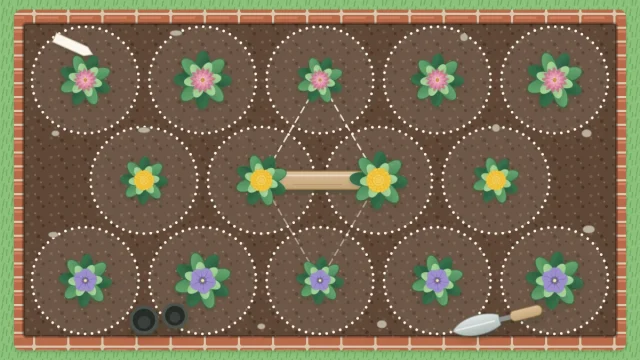
Use the color wheel to plan a harmonious bed: calm analogous schemes, lively complementary pairs, buffers of white and green, and a simple method for choosing your palette.
Grow a Beautiful Garden Full of Flowers
30 guides published
Use the color wheel to plan a harmonious bed: calm analogous schemes, lively complementary pairs, buffers of white and green, and a simple method for choosing your palette.
A simple way to plan a first flower bed: read the site, pick a shape you can reach into, repeat a few plants in drifts, contrast shapes and sketch it to scale before you buy.
Learn the signs that a perennial clump needs splitting, how to time the job for your climate, the lifting and dividing steps, and how to care for the new plants afterward.
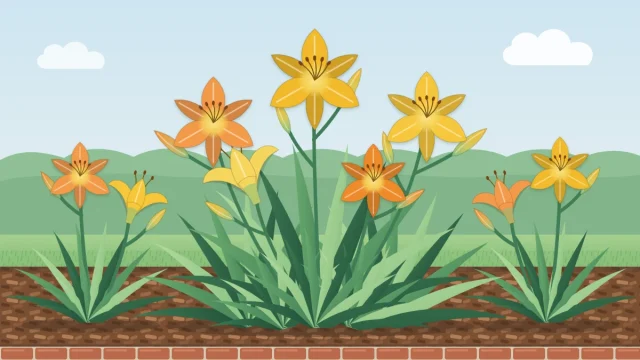
A plain guide to daylilies: choosing foliage types for your climate, sun and soil, planting depth, summer tidying, when to divide and an important caution for cat owners.
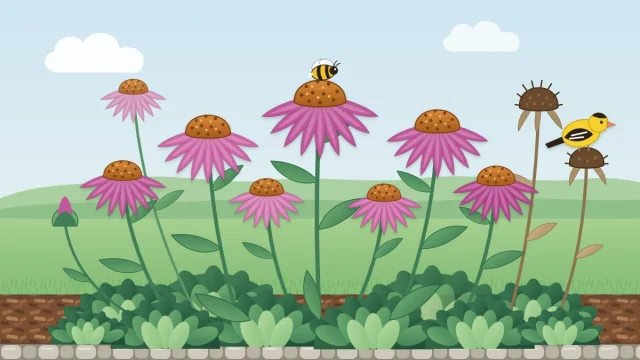
How to grow purple coneflower in a sunny bed: where it is hardy, the sun and drainage it needs, planting, first-season watering, deadheading and when to leave the seed heads.
Nine widely grown perennials for sun and shade, with the light, bloom season, size and approximate hardiness zones for each, plus what to check before you buy.
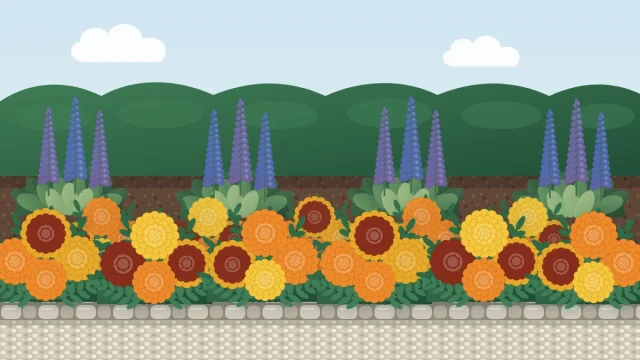
A plain guide to marigolds: the French, African and signet types, planting after frost, sun and soil, watering at the base, deadheading, and an honest look at their pest reputation.
How to grow zinnias from seed or transplants: the sun, warmth and spacing they need, when to sow after frost, how to water to limit powdery mildew, and how cutting keeps them blooming.
Nine widely sold annuals for sun and shade, with the light, weather and starting method each one prefers, a comparison table and tips for choosing healthy transplants.
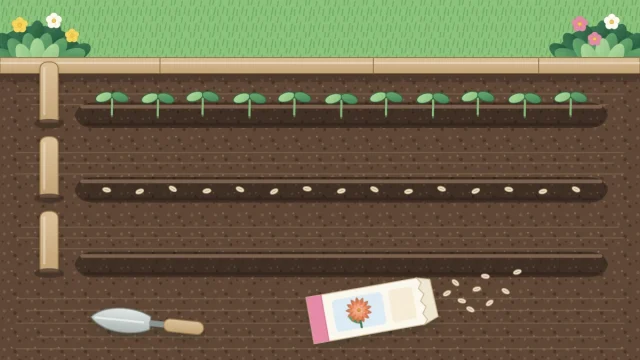
A step-by-step guide to direct sowing: which flowers suit it, how to time it by frost dates, how to prepare a seedbed, sow at the right depth, keep it moist and thin the seedlings.
Understand what the spacing on a plant tag means, why crowding causes problems later, and how variety, climate and soil change the right distance between flowers.
No single planting date fits every garden. Learn how to use your local frost dates, soil temperature and the type of plant to decide when flowers can go in the ground where you live.