Growing Marigolds: A Simple Guide to a Cheerful Annual
A plain guide to marigolds: the French, African and signet types, planting after frost, sun and soil, watering at the base, deadheading, and an honest look at their pest reputation.
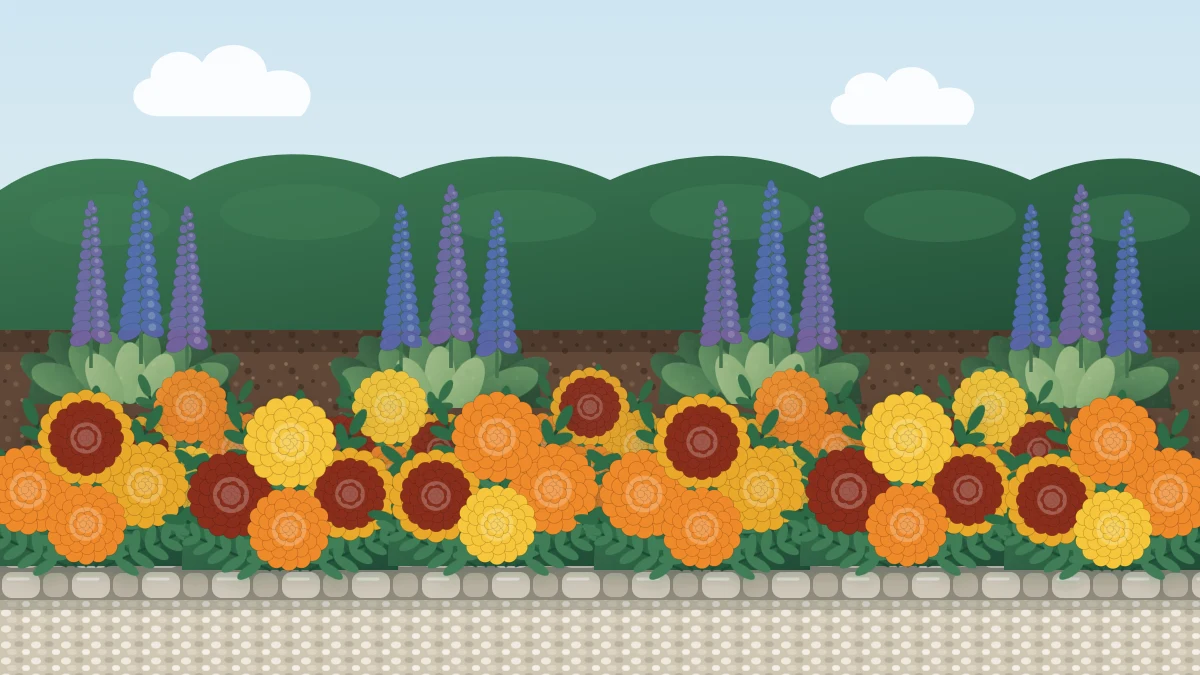
Marigolds are often the first flower a new gardener succeeds with. The seeds are easy to handle, the plants shrug off heat and ordinary soil, and the orange, gold and yellow flowers keep coming for months.
Growing marigolds does not take much skill, but a few details make the difference between a tidy, flower-covered plant and a leafy one that sulks: enough sun, soil that is not too rich, and water aimed at the roots instead of the blooms.
The three main types
The marigolds sold for beds and pots belong to the genus Tagetes. They are a different plant from pot marigold (Calendula), which shares the common name. Three types cover nearly everything you will find for sale:
- French marigolds are compact and bushy, usually about 6 to 18 in (15 to 45 cm) tall, with small single or double flowers in yellow, orange and mahogany red, often two-toned. They are the usual choice for edging and containers.
- African marigolds, also called American marigolds, are taller, commonly 1 to 3 ft (30 to 90 cm) or more, with large, rounded pompon flowers in yellow, gold, orange or cream.
- Signet marigolds form airy mounds of fine, lacy leaves covered in small single flowers. They stay low, often around 1 ft tall, and have a lighter look than the other two.
Sizes vary by variety and by climate, so read the tag or packet. For more on the types and how they differ, see University of Wisconsin-Madison Extension.
When to plant marigolds
Marigolds are warm-season, frost-tender annuals. Plant them out after your last spring frost, once the soil has warmed. Set out too early, they sit still in cold ground and can be killed by a late frost.
Frost dates are local averages, so use the one for your own area and keep an eye on the forecast. In hot-summer or frost-free climates, marigolds are often planted for the milder parts of the year; your local extension service can tell you the usual timing.
Seed or transplants
Both work well, which is part of the appeal.
From seed outdoors: sow the long, thin seeds in a raked, weeded bed after frost danger has passed, cover them lightly with about a quarter inch (6 mm) of soil and keep the surface moist. In warm soil they usually sprout within a week or so. Thin the seedlings to the spacing on the packet.
From seed indoors: where the warm season is short, start seed a few weeks before your last frost date so plants are ready to bloom sooner. Tall African types take longer to flower than French types, so they gain the most from an early start.
From transplants: choose compact, dark green plants with buds over leggy ones in full flower, harden them off, and plant them at the same depth they sat in the pot. Marigolds are one of several forgiving choices in our list of easy annual flowers for beginners.
Sun and soil
Give marigolds full sun, meaning at least six hours of direct light a day. In shade they stretch, flower poorly and stay damp.
Average, well-drained soil is all they ask. This is one flower where kindness can backfire: very rich soil and heavy feeding tend to produce lush leaves at the expense of flowers. If your soil grows other plants reasonably well, marigolds in a bed rarely need extra fertilizer. Where growth is weak and pale, base any feeding on a soil test and the product label.
Spacing depends on the type. Compact French and signet marigolds are often set roughly 8 to 10 in (20 to 25 cm) apart and tall African types 12 to 18 in (30 to 45 cm) apart, but go by the tag for your variety.
Watering
Water newly planted marigolds regularly until they root in. After that, let the soil surface dry a little between waterings, then water deeply. Push a finger a couple of inches into the soil; if it is dry at that depth, it is time. How often that happens depends on your soil, the weather and whether the plants are mulched, so no fixed schedule fits.
Aim the water at the base of the plant. The large, densely double flowers of African marigolds hold water like a sponge and can turn brown and rot during long wet spells or under overhead watering. Picking off spoiled blooms keeps the problem from spreading to nearby buds.
In pots, marigolds dry out faster than in the ground and need checking more often, especially in hot weather. Our guide to container flower gardening covers pot size, potting mix and drainage.
Deadheading and support
Removing faded flowers keeps marigolds tidy and encourages more buds, because the plant is not putting its energy into seed. Pinch or snip the old bloom off together with its swollen base, back to the next set of leaves. The method for other flowers is in our guide to deadheading flowers.
Tall African marigolds can become top-heavy, particularly after rain soaks the flowers. A short stake or a ring support placed early prevents snapped stems.
Tip
If marigolds stop flowering in the hottest part of summer, do not assume you have done something wrong. Flowering often pauses in intense heat and picks up again as nights cool. Keep deadheading and watering, and wait.
Marigolds and pests: an honest look
Marigolds are often said to repel garden pests, and many gardeners plant them among vegetables for that reason. The evidence is mixed and limited to specific cases, such as certain marigolds grown thickly as a cover crop against particular soil nematodes. A few plants dotted through a bed should not be relied on as pest control. Grow them because you like them.
Marigolds have pests of their own. Two are worth knowing:
- Slugs and snails eat young plants, sometimes down to a stub overnight. Check at dusk or after rain, pick them off by hand, and clear debris where they shelter.
- Spider mites are tiny and gather under the leaves in hot, dry weather. Leaves may look finely speckled or dusty, sometimes with thin webbing. A firm spray of water on the undersides of the leaves knocks many of them off; repeat it over several days.
Similar damage can have other causes, so if a problem persists, take a sample or a clear picture to your local extension service for identification before you do anything else.
Frequently asked questions
Do marigolds need full sun?
Yes. Marigolds flower best with at least six hours of direct sun a day. In part shade they grow taller and thinner, produce fewer flowers and stay damp for longer after rain. In very hot climates a little afternoon shade is tolerated, but deep shade gives disappointing plants.
Do marigolds keep pests away from other plants?
They have that reputation, but the evidence is mixed and limited to specific situations, so it is unwise to rely on marigolds as pest control. Grow them for their color. If pests trouble nearby plants, identify the cause first, with help from your local extension service if needed.
Why do my marigolds have lots of leaves but few flowers?
One possibility is soil that is too rich or too much fertilizer, which favors leafy growth. Too little sun is another common cause, and flowering can also pause in intense summer heat. Check the light the plants receive, hold back on feeding and keep removing faded blooms.

